Friday, August 29, 2008

A perfect day

"In my dream world, everyone has an industrial deli slicer at home and spends half the day slicing prosciutto for their friends and the other half making lasagne."
Mario Batali

Saturday, August 23, 2008

The Omnivore's Hundred

Recently while visiting the long list of blogs that I frequent I came across the "Omnivores 100," 100 things that an omnivore should try in their life. The original list can be seen at the Very Good Taste blog.

The way it works is bolded items are ones I have already eaten and the crossed out ones are ones I would never eat.

The VGT Omnivore’s Hundred:

1. Venison
2. Nettle tea
3. Huevos rancheros
4. Steak tartare
5. Crocodile
6. Black pudding
7. Cheese fondue
8. Carp
9. Borscht
10. Baba ghanoush
11. Calamari
12. Pho
13. PB&J sandwich
14. Aloo gobi
15. Hot dog from a street cart
16. Epoisses
17. Black truffle
18. Fruit wine made from something other than grapes
19. Steamed pork buns
20. Pistachio ice cream
21. Heirloom tomatoes
22. Fresh wild berries
23. Foie gras
24. Rice and beans
25. Brawn, or head cheese
26. Raw Scotch Bonnet pepper
27. Dulce de leche
28. Oysters
29. Baklava
30. Bagna cauda
31. Wasabi peas
32. Clam chowder in a sourdough bowl
33. Salted lassi
34. Sauerkraut
35. Root beer float
36. Cognac with a fat cigar
37. Clotted cream tea
38. Vodka jelly/Jell-O
39. Gumbo
40. Oxtail
41. Curried goat
42. Whole insects
43. Phaal
44. Goat’s milk
45. Malt whisky from a bottle worth £60/$120 or more
46. Fugu
47. Chicken tikka masala
48. Eel
49. Krispy Kreme original glazed doughnut
50. Sea urchin
51. Prickly pear
52. Umeboshi
53. Abalone
54. Paneer
55. McDonald’s Big Mac Meal
56. Spaetzle
57. Dirty gin martini
58. Beer above 8% ABV
59. Poutine
60. Carob chips
61. S’mores
62. Sweetbreads
63. Kaolin
64. Currywurst
65. Durian
66. Frogs’ legs
67. Beignets, churros, elephant ears or funnel cake
68. Haggis
69. Fried plantain
70. Chitterlings, or andouillette
71. Gazpacho
72. Caviar and blini
73. Louche absinthe
74. Gjetost, or brunost
75. Roadkill
76. Baijiu
77. Hostess Fruit Pie
78. Snail
79. Lapsang souchong
80. Bellini
81. Tom yum
82. Eggs Benedict
83. Pocky
84. Tasting menu at a three-Michelin-star restaurant.
85. Kobe beef
86. Hare
87. Goulash
88. Flowers
89. Horse
90. Criollo chocolate
91. Spam
92. Soft shell crab
93. Rose harissa
94. Catfish
95. Mole poblano
96. Bagel and lox
97. Lobster Thermidor
98. Polenta
99. Jamaican Blue Mountain coffee
100. Snake
I pretty much eat anything, so there isn't anything on this list that I wouldn't eat. But, I think that the list is missing: a good steak Florentina, Lamb, fresh pasta made by hand, zucchini flowers, white truffles, real aged balsamic vinegar from Modena and grappa.

Friday, August 8, 2008

My Own Bakery

When I was younger and on vacation my mother and father would send my sister and I out to get fresh bread every morning. So out we would go, at 8 am, in the cold French or Swiss winter to walk down to the bakery to get two french sticks. The only thing was, my sister would usually eat half of the baguette on the short walk back from the bakery to the hotel, so we would have to get two or three for the day just so bread disposal (read: sister) could eat her baguette on the walk home.

The smell of fresh bread has always been on of my favorite scents. When it comes to bread, I usually went to the local bakery down the street from my house and got whichever loaf was freshest out of the oven, a slab of focaccia, and a Limonata for the ride home. But I started to hear about "no-knead" breads that take minutes to put together, and take no effort. I was always skeptical of this way of making bread and after a few months of putting it off I tried it.

I got the recipe from the New York Times. It is such a simple recipie that can be open to many interpretations.

I made the dough, as per the recipe and let it rise for two and a half hours. My first loaf I made plain, as the recipe directed, but lately I have been adding different spices and flavours to the dough.

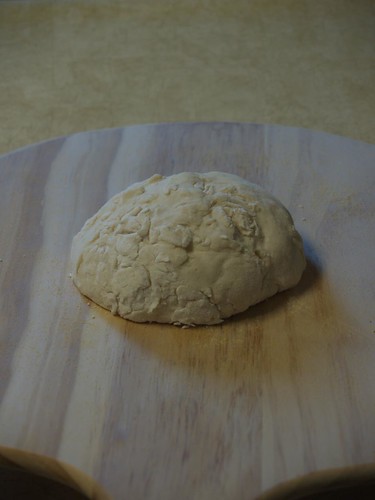
Here is the dough, I cut about a grapefruit sized chunk out of the bowl and lightly tossed it between my hands to form a circle and let it rest on a pizza peel with some corn meal on it for twenty minutes.

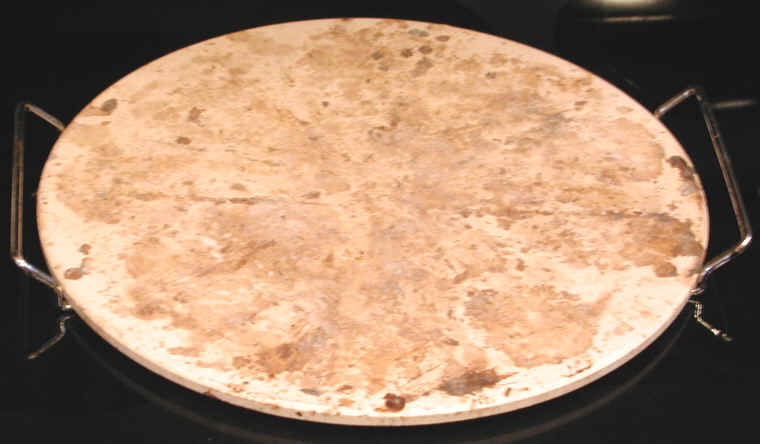
Once out of the over, and off of the pizza stone, I let it rest for five minutes.


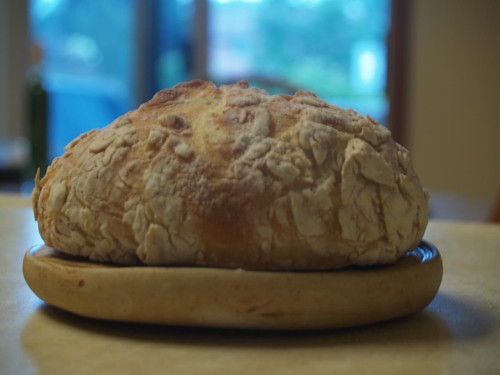
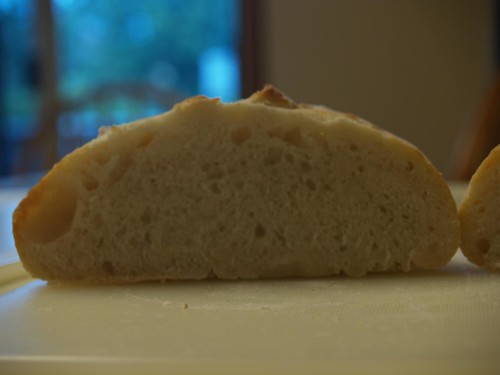
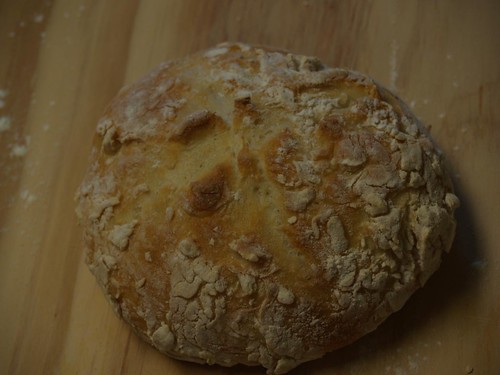
Here is the final product, a nice, crusty on the outside, soft on the inside, homemade bread that takes minutes to make, and is by far one of the easiest recipes I have ever made.

One variation I have done is right when I put the dough in the oven I put a few sprigs of rosemary on top of the dough. Next I will try with tossing some Herbs Du Provence on top and maybe some other flavours.
Although, the bread really doesn't need anything else with it besides a nice dollop of some good olive oil or a nice big piece of cheese.

Friday, July 25, 2008

Summer Recap

Although I haven't been writing on here for the past months, I have been taking pictures of what I have been eating and meaning to write here more often. With the summer and good weather, that we are supposed to have ahead, I will be posting on here more frequently. I have spent some time this summer in Florida, wine tasting, at farmers markets and of course eating a lot. Check back for more frequent posts and stories.

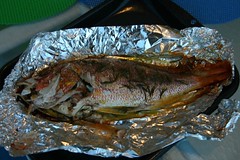
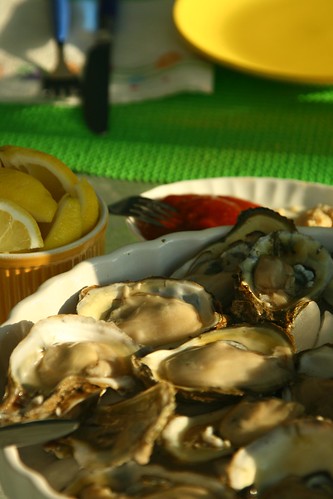
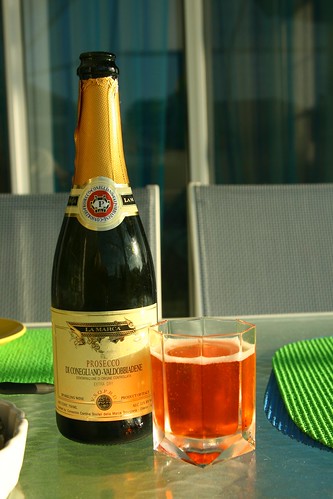
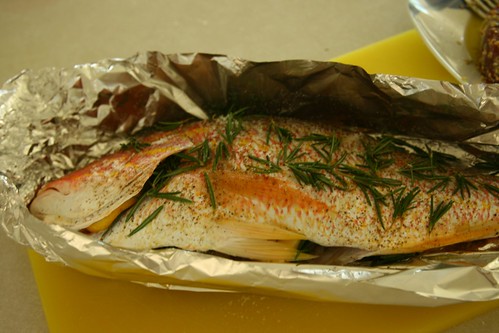
This is a set of photos I had taken in early June, a meal my father and I had one night. We had, if I remember correctly, raw oysters as an appetizer with some prosecco and Aperol, a Campari like bitter liquor. Then we cooked an whole red sea bass with some lemon, rosemary and olive oil, a seared(raw) tune steak marinated with olive oil and wasabi, garlic mashed potatoes and brussel sprouts and a bottle of white wine for dinner.


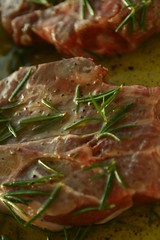
Also, as we always do, we started to prepare the next evenings dinner while the fish was cooking. Lamb steaks marinating in olive oil, lemon juice, rosemary, salt, and pepper.


Friday, April 18, 2008

La Cucina Italiana


Since 1929, La Cucina Italiana has called itself Italy's premier food and cooking magazine, and it is still a title that it deserves.

What most cooking magazines look like is simple, recipe after recipe after recipe, which can in fact get old and boring after a while. What Cucina does different however, is what makes them the only cooking magazine I will purchase month after month without ever opening the cover at the news stand.

By having stories, tours, profiles on chefs and Italian cities that are off the beaten path but with great culinary history, the magazines helps the reader dig deeper into the history and stories behind the food many people just eat to live. I like to think that I live to eat, but thats a different post.

My favorite story I have read so far was one about polenta, the peasant food eaten mostly in northern Italy. Arturo Zampaglione tells the story about how he grew up in Italy and he would make a big batch of polenta, pour it directly onto a large wooden board and then everyone eats off of the board, which is placed at the centre of the table. In the article, Zampaglione tells how he introduced his New York friends to this tradition by having a polenta dinner at his new apartment in New York City.

These traditions and stories are what to me makes a cooking magazine stand out, and give the reader more then just some recipes they probably already have in a cook book hidden on their shelves. I would think that the people who purchase cooking magazines probably have a deeper love for food then most people, so by having stories and experiences like this, it gives La Cucina Italiana the kick to make it such a better magazine.